

What Is Overlanding? A Beginner’s Complete Guide
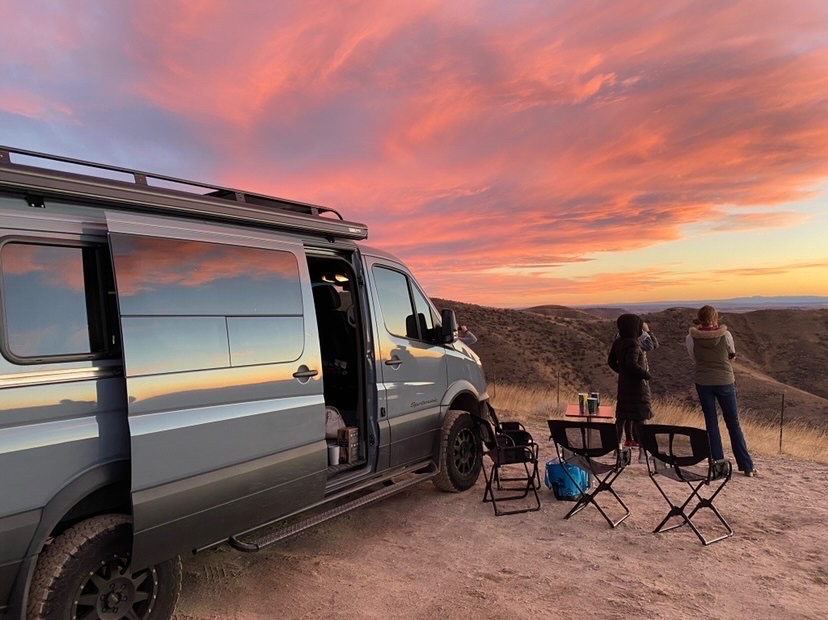
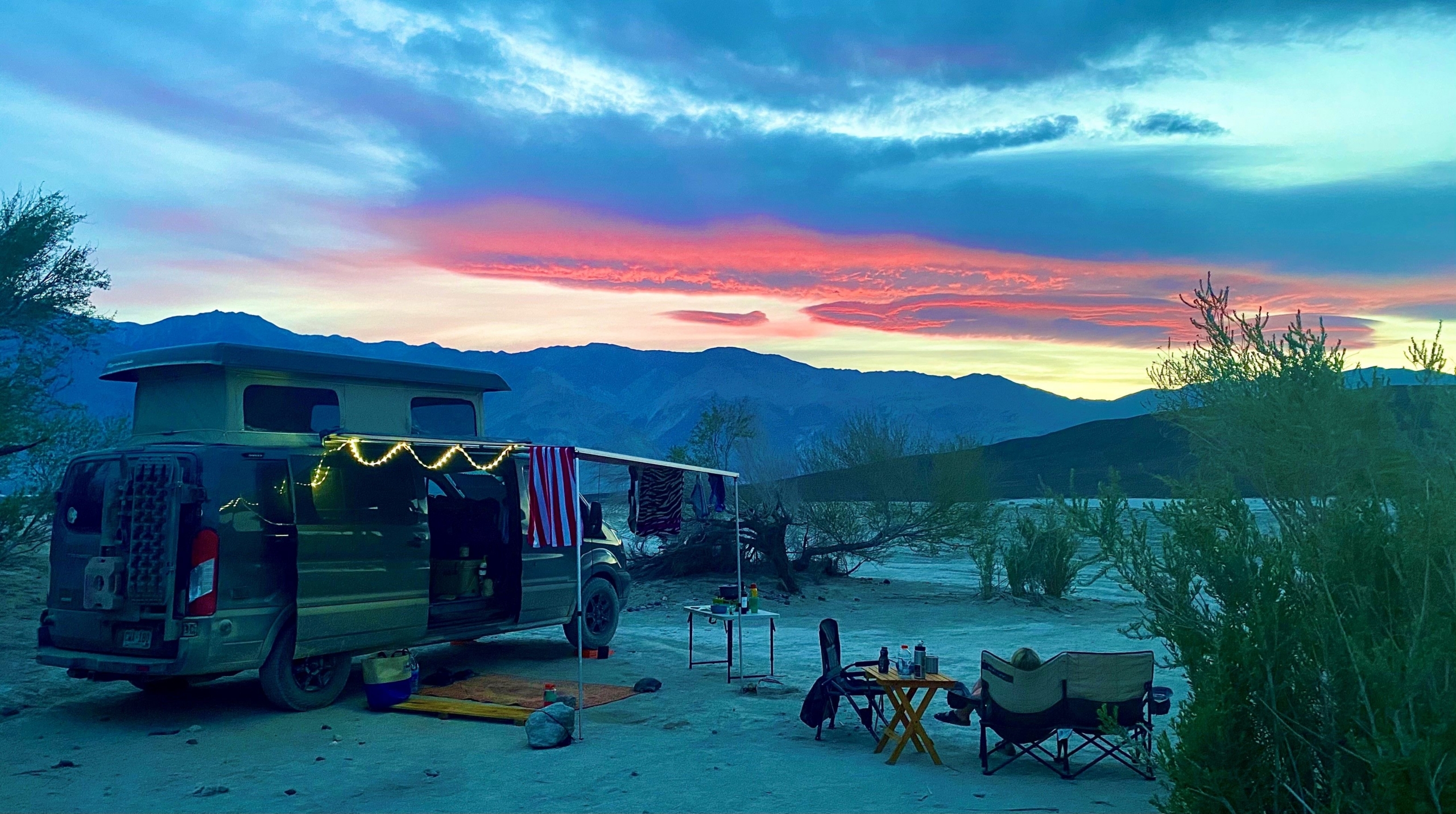
You’ve seen the photos, a van parked on a ridge at sunset, a rooftop tent unfolded over a Toyota in the desert, a couple cooking breakfast on a tailgate somewhere in Utah. The word “overlanding” gets thrown around a lot, but what does it actually mean? And more importantly, how do you get started?
This guide explains what overlanding is, what separates it from car camping and van life, what kind of vehicle and gear you need, and how to plan your first trip, even if you’ve never driven off pavement before.
What Does “Overlanding” Mean?
Overlanding is vehicle-based adventure travel where the journey matters more than the destination. It’s self-reliant, it usually involves unpaved or remote roads, and it typically lasts multiple days, though a weekend trip absolutely counts.
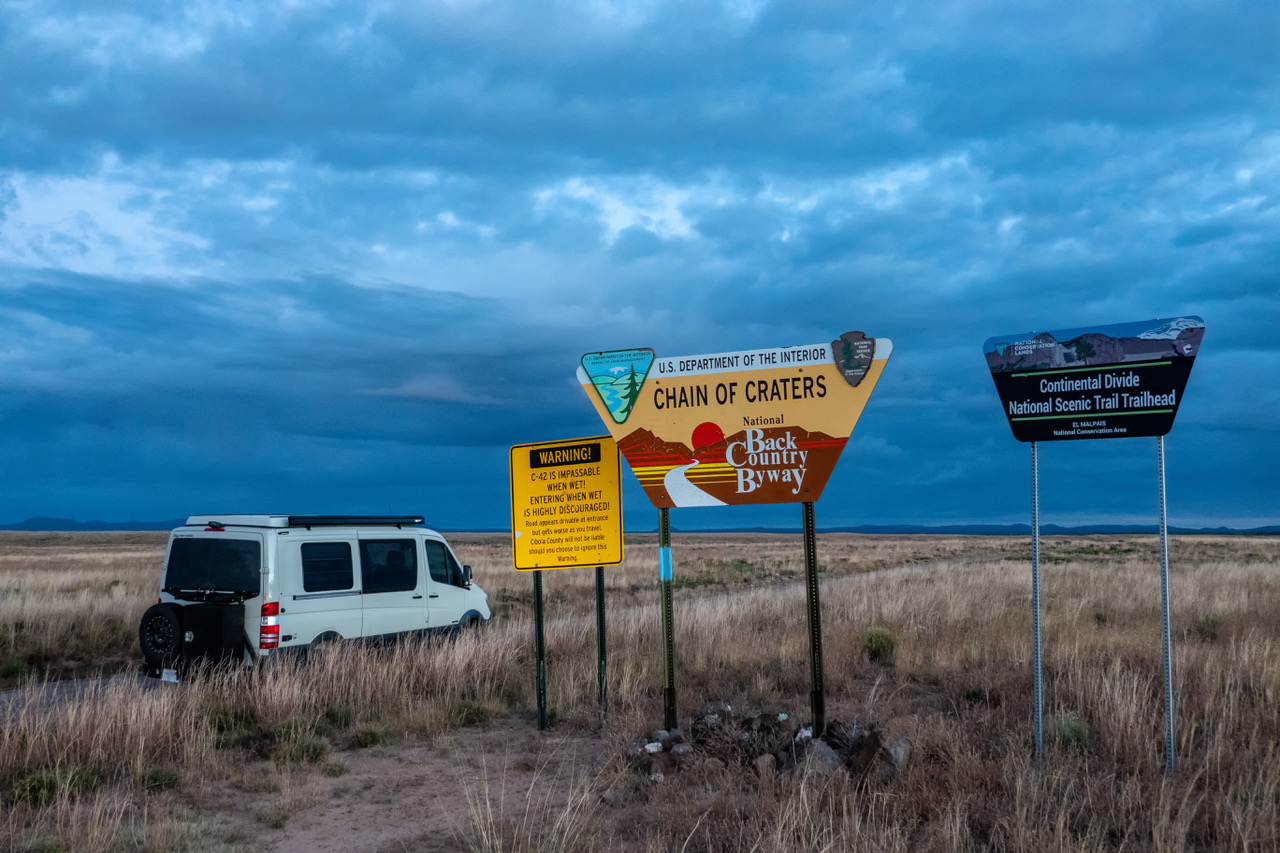
The term originated in Australia, where it described the long-distance overland transport of livestock across the outback. Over the decades, it evolved into a style of recreational travel that emphasizes exploration, self-sufficiency, and spending time in places that most tourists never see.
The key distinction between overlanding and a regular road trip is self-reliance. When you overland, you carry everything you need. Shelter, food, water, cooking equipment, recovery gear, and you expect to camp in places without hookups, services, or cell coverage. You’re not driving between hotels. You’re living out of your vehicle.
Overlanding vs. Car Camping vs. Van Life
These three terms overlap, but they’re not the same thing.
Car camping is the broadest category. You drive to a campsite and sleep near your vehicle. The campsite might have picnic tables, fire rings, and a bathhouse. You might sleep in a tent on the ground. It’s accessible and easy, but it’s not necessarily remote or self-reliant.
Van life focuses on the vehicle as your home. Van lifers typically build out or buy a converted van with a bed, kitchen, storage, and electrical system. The emphasis is on living in the van, sometimes full-time, rather than on off-road exploration. Van life can happen in a Walmart parking lot or a beautiful alpine meadow.
Overlanding emphasizes the route and the terrain. The goal is exploration. Finding remote campsites, navigating unmaintained roads, crossing through wild landscapes. The vehicle is a tool for getting there, and the build is focused on capability, durability, and self-sufficiency rather than comfort or aesthetics.
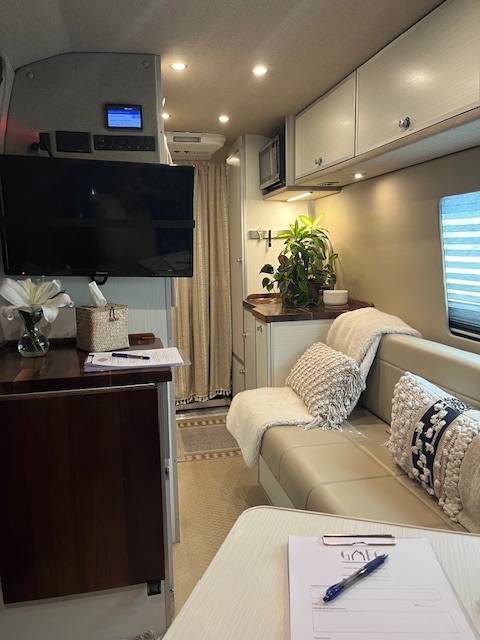
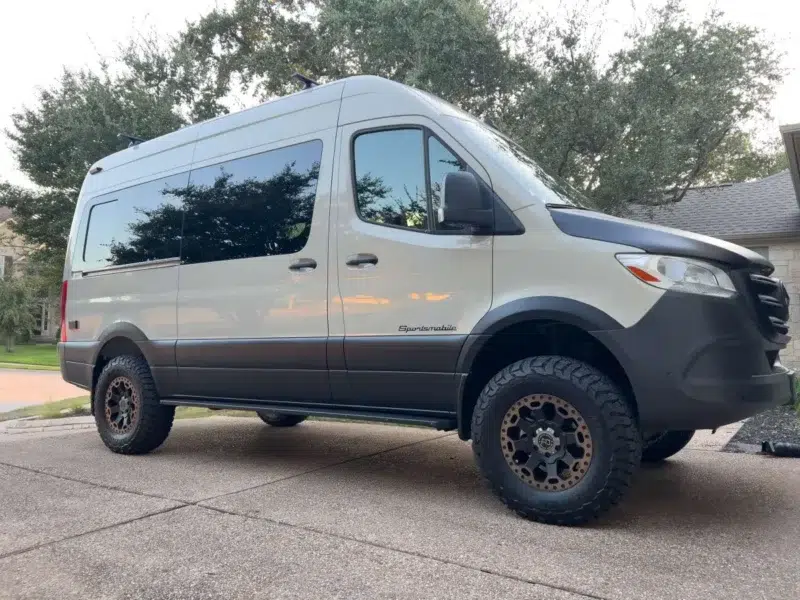
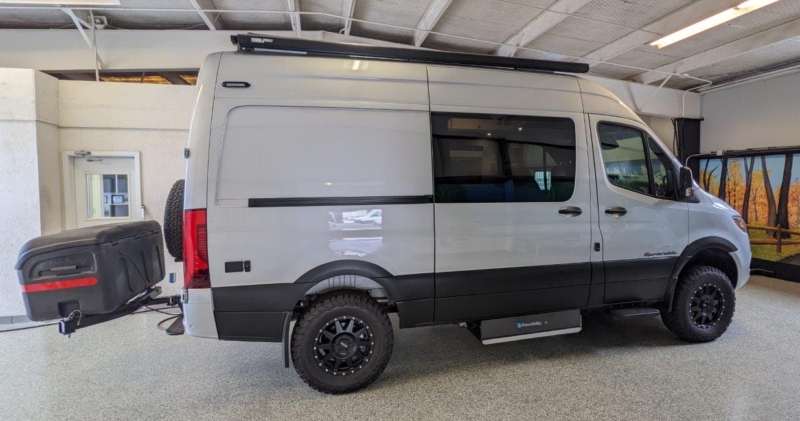
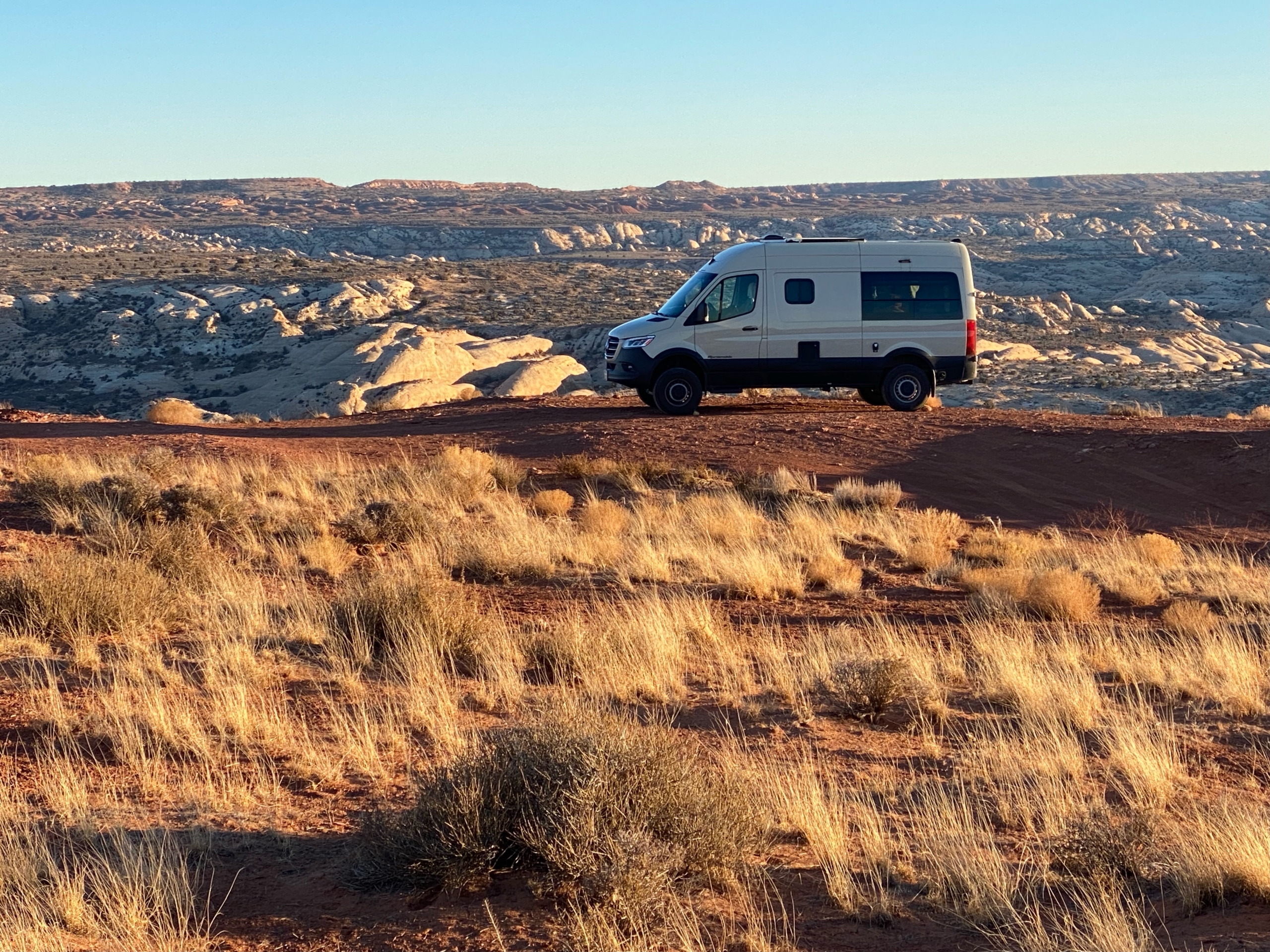
In practice, many people blend all three. A Sportsmobile Sprinter with AWD and a Penthouse Top is both a van life vehicle and an overlanding rig. It lets you live comfortably on the road and get to places that a standard RV or minivan never could.
What Kind of Vehicle Do You Need?
Here’s the most important thing to understand: you don’t need a $150,000 built-out truck to start overlanding. The best vehicle for overlanding is the one you already own, as long as it’s mechanically reliable.
That said, certain vehicles are better suited to overlanding than others. Here’s what matters:
Ground clearance. You need enough clearance to handle ruts, rocks, and washboard roads without scraping your undercarriage. Stock SUVs and trucks typically have 8–10 inches. A lifted Sprinter van sits around 8–9 inches.
4WD or AWD. Two-wheel drive will limit where you can go. Four-wheel drive or all-wheel drive lets you handle mud, sand, snow, loose gravel, and steep grades with far more confidence. If you’re buying a van for overlanding, factory AWD is worth the investment.
Reliability. This matters more than horsepower, brand prestige, or the number of rooftop accessories you can bolt on. When you’re 50 miles from the nearest paved road, reliability is everything. Choose vehicles with proven drivetrains and widely available parts.
Cargo capacity. Overlanding requires gear. Camping equipment, water, food, recovery tools, spare parts. You need enough space to carry everything without overloading the vehicle. Vans excel here because their interior volume is massive compared to trucks and SUVs.
Popular Overlanding Vehicles
The overlanding community is diverse, and people overland in everything from Subaru Outbacks to fully built 4×4 Sprinters. Here are the most common platforms:
Trucks and SUVs – Toyota Tacoma, 4Runner, and Land Cruiser are the classics. Jeep Wrangler and Ford Bronco are popular for shorter, more technical trails. These vehicles are purpose-built for off-road capability.
Camper vans – Mercedes Sprinter, Ford Transit, and Ram ProMaster are the leading platforms for van-based overlanding. A properly converted van gives you living space, a kitchen, a bed, and climate control, all in one vehicle. You sacrifice some off-road agility compared to a truck, but you gain an enormous amount of comfort and self-sufficiency. A Sprinter with AWD can handle the vast majority of overlanding terrain in the U.S.
Motorcycles – adventure bikes like the BMW GS series and Yamaha Ténéré are popular for solo overlanders who want maximum range and minimal weight. Motorcycle overlanding is a different discipline entirely, but it’s worth mentioning.
If you’re considering a van for overlanding, Sportsmobile builds on all four major van platforms. Sprinter, Transit, ProMaster, and Chevy Express, and has been doing so since 1961.
Essential Overlanding Gear
You don’t need to buy everything at once. Start with the basics and add gear as you learn what you actually use. Here’s a practical starting list:
Shelter and Sleep
Your vehicle itself can be your shelter. That’s one of the biggest advantages of overlanding in a van. A converted van with a fixed bed, insulation, and a heating system means you never need to set up or break down a tent. For truck and SUV overlanders, a rooftop tent is the most popular option because it sets up fast and gets you off the ground.
Kitchen and Water
A two-burner propane stove, a basic cookware set, a cooler or 12V refrigerator, and 5–10 gallons of freshwater is enough to get started. Converted vans typically have all of this built in, with freshwater tanks, propane systems, and dedicated kitchen areas.
Recovery Gear
This is what separates overlanding from car camping. At minimum, carry a full-size spare tire, a jack that works on your vehicle’s specific lift points, a tire repair kit, a basic tool set, jumper cables or a portable jump starter, and a tow strap. If you’re going into sand or mud, add traction boards (MaxTrax or similar).
Navigation
Don’t rely solely on your phone. Cell coverage disappears fast in the backcountry. Download offline maps (Gaia GPS and onX Offroad are the most popular apps), and carry a paper atlas or USGS topo maps as backup. A satellite communicator like a Garmin inReach is strongly recommended for emergency communication.
Power
A dual-battery system or lithium battery bank keeps your devices charged and your fridge running without draining your starting battery. Solar panels are a worthwhile addition for extended trips. Converted vans from Sportsmobile come with complete electrical systems. Solar, lithium batteries, inverters, and shore power hookups which are designed for days or weeks off-grid.
How to Plan Your First Overlanding Trip
The best first trip is a short one, two or three nights, within a few hours of home, on terrain you can handle in your current vehicle. The goal isn’t to conquer the most remote trail you can find. It’s to learn how your gear works, figure out what you forgot to bring, and get comfortable with the rhythm of vehicle-based camping.
Step 1: Choose Your Destination
National Forests and BLM (Bureau of Land Management) land offer the most accessible overlanding in the U.S. Both allow dispersed camping. Meaning you can camp for free in most areas without a reservation. Popular beginner-friendly areas include Sedona, Arizona; Moab, Utah; Big Bend, Texas; and the Blue Ridge Mountains.
Step 2: Research the Route
Use Gaia GPS, onX Offroad, or iOverlander to find routes and campsites. Look at recent trip reports to understand road conditions. Check for seasonal closures. Many mountain roads are closed through spring due to snow.
Step 3: Prep Your Vehicle
Get your oil changed, check your tire pressure and tread depth, top off all fluids, and make sure your spare tire is properly inflated. If you’re going off-road for the first time, air down your tires to 25–30 PSI for better traction on dirt and bring a portable air compressor to re-inflate when you return to pavement.
Step 4: Pack Smart
Bring less than you think you need. The biggest beginner mistake is overpacking. Focus on water, food, shelter, warmth, and recovery gear. Everything else is optional.
Step 5: Practice Leave No Trace
Overlanding comes with a responsibility to protect the land you travel through. Pack out everything you bring in. Don’t create new fire rings. Stay on established roads and trails. Camp at least 200 feet from water sources. The places we love to explore only stay wild if we take care of them.
Why a Converted Van Is the Ultimate Overlanding Vehicle
There’s a reason the overlanding community has increasingly embraced vans alongside traditional trucks and SUVs. A well-built van conversion is essentially a self-contained basecamp on wheels.
You get a comfortable bed you don’t have to set up or take down. You get a kitchen with running water. You get climate control, heat in winter, A/C in summer. That works whether the engine is running or not. You get enough battery capacity to run a fridge, lights, and devices for days without plugging in. And with AWD, you get enough off-road capability to reach 95% of the places overlanders actually go.
Sportsmobile’s Penthouse Top takes it further. The pop-up roof adds a second sleeping area and dramatically increases headroom, while keeping the van at a driveable height when the top is down. It’s one of the most popular options among overlanding customers because it gives you a full living space without the bulk of a larger RV.
Learn About the Penthouse Top →
The trade-off is cost. A professionally converted Sprinter is a significant investment compared to throwing a rooftop tent on a Tacoma. But for people who want to overland frequently, the weekends, weeks, or months at a time, the comfort and self-sufficiency of a van conversion pays for itself in the quality of the experience.
Frequently Asked Questions
Is overlanding the same as off-roading?
No. Off-roading is about the driving challenge and conquering difficult terrain for its own sake. Overlanding is about travel and using a vehicle to explore remote places over multiple days. Overlanding often involves off-road driving, but the driving is a means to an end, not the goal itself.
Do I need a 4×4 to overland?
Not necessarily for your first trip. Many overlanding routes follow graded dirt roads that a stock AWD vehicle can handle. But as you explore more remote areas, 4WD or AWD becomes increasingly important. If you’re buying a vehicle specifically for overlanding, prioritize a drive system that can handle varied terrain.
How much does overlanding cost?
It varies enormously. A weekend trip in your existing vehicle with a tent and a cooler might cost nothing beyond gas and food. A purpose-built overlanding van like a Sportsmobile Sprinter conversion represents a larger investment but serves as both your vehicle and your accommodations for years. Most people start cheap and invest more as the hobby grows.
Is overlanding safe?
Yes, with proper preparation. The biggest risks are mechanical breakdowns in remote areas, getting stuck in difficult terrain, and exposure to extreme weather. All of these are manageable with the right gear, vehicle preparation, and trip planning. A satellite communicator is the single best safety investment you can make.
Where can I overland near me?
Almost anywhere with public land. In the western U.S., National Forests and BLM land provide millions of acres of accessible overlanding terrain. In the east, state forests, National Forest roads, and designated trails offer excellent options. Apps like Gaia GPS and iOverlander are the best tools for finding routes and campsites.
Ready to Build Your Overlanding Rig?
Sportsmobile has been building adventure vehicles since 1961. Our vans are designed for exactly this! Exploring remote places in comfort and safety. Whether you want a weekend warrior or a full-time overlanding home, we’ll help you design and build the right vehicle.
Visit us in Austin TX, Huntington IN, or Gold Canyon AZ to see our builds in person.
Explore All Van Models → See Floor Plans → Start Your Adventure →