

What Is a Sprinter Van? The Complete 2026 Guide
What Is a Sprinter Van?
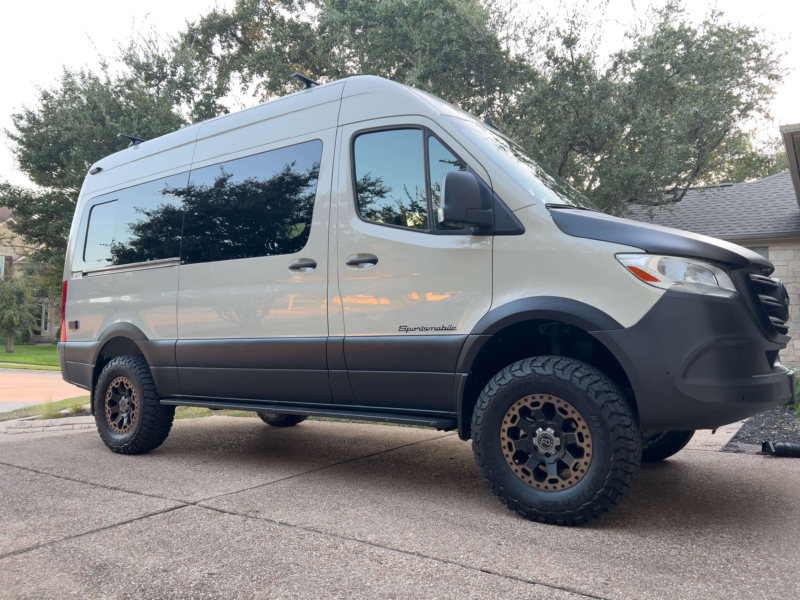
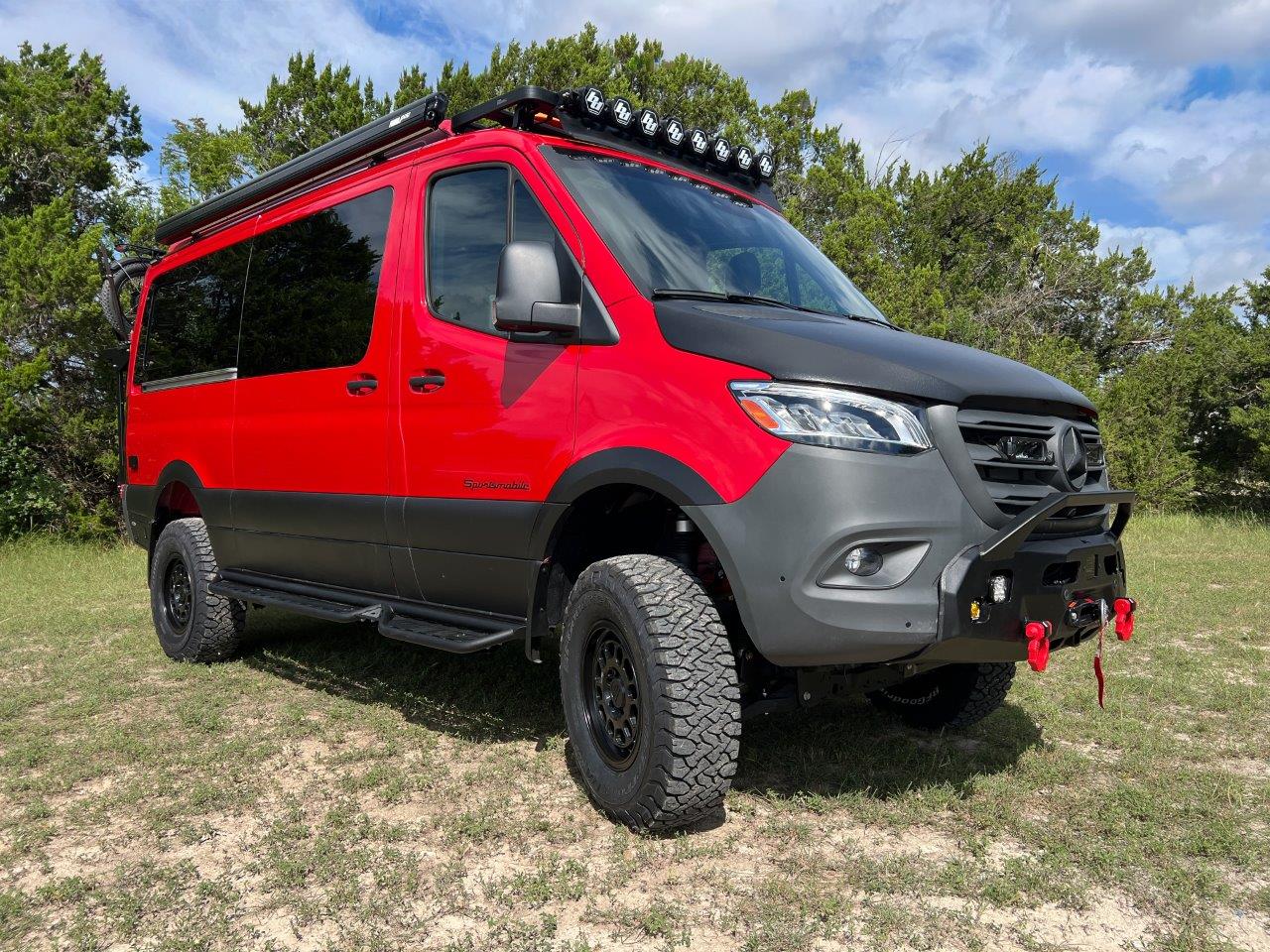
The Sprinter is a full-size van manufactured by Mercedes-Benz. It was first introduced in Europe in 1995 and arrived in North America in 2001. Unlike the vans most Americans grew up seeing, think Chevy Express or Ford E-Series, the Sprinter was designed from the ground up as a modern, purpose-built commercial vehicle.
What makes it different is the combination of a tall roof, long wheelbase options, a fuel-efficient diesel engine, and a unibody construction that handles more like a large SUV than a traditional cargo van. That combination is exactly why it became the most popular platform for camper van and adventure van conversions worldwide.
Mercedes-Benz builds the Sprinter at their factory in North Charleston, South Carolina, which means parts availability and dealer service networks are strong across the U.S.
Sprinter Van Sizes and Configurations (2026)
One of the Sprinter’s biggest advantages is the sheer number of configurations available. You’re not locked into a single size. You can choose the exact combination of length, height, and weight class that fits your needs.
Wheelbase Options
The Sprinter comes in three wheelbase lengths:
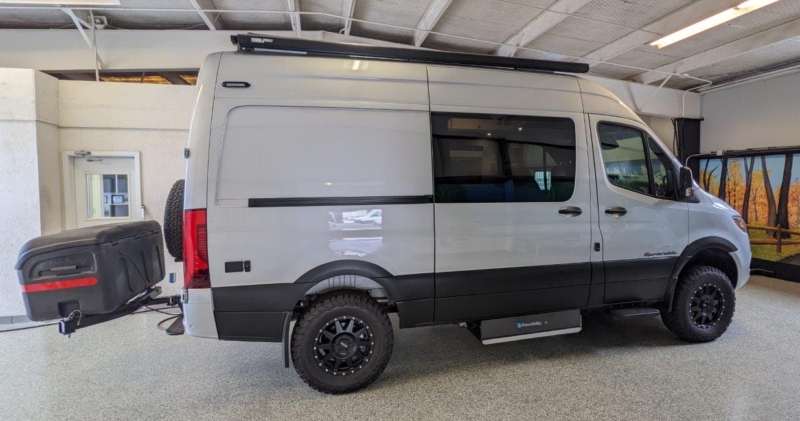
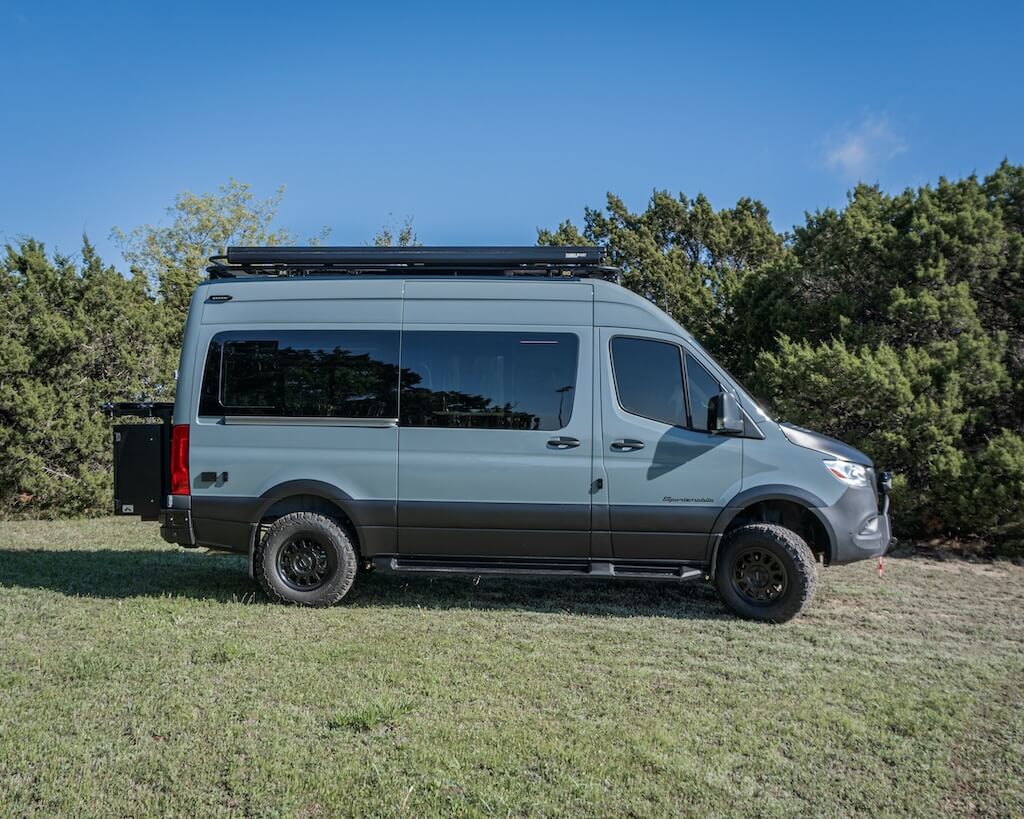
- 144″ wheelbase – roughly 19.5 feet overall length. This is the most popular choice for van conversions because it fits in a standard parking space while still offering enough interior room for a full living setup. It’s the size Sportsmobile converts most frequently.
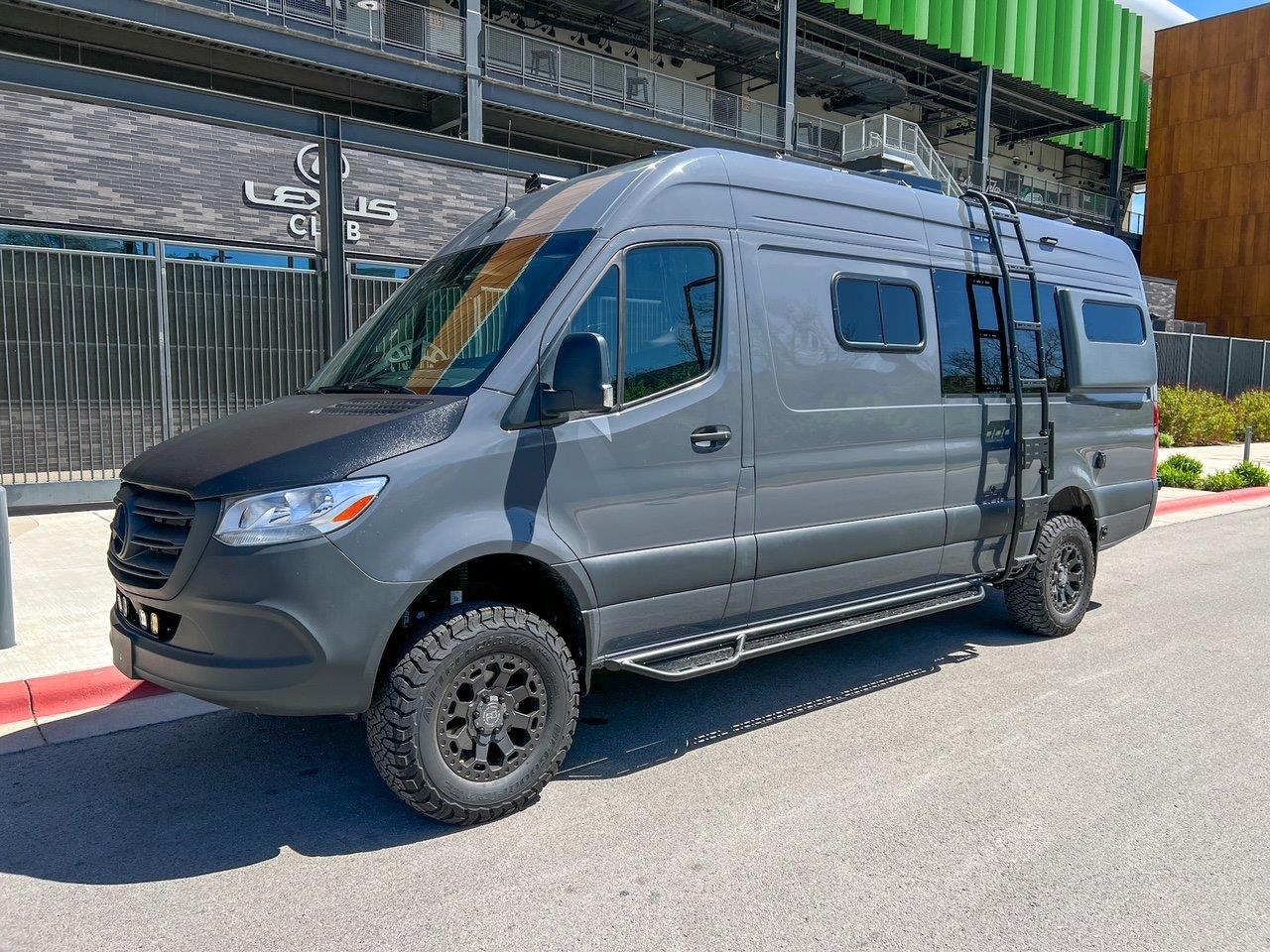
- 170″ wheelbase – roughly 22 feet overall. More interior room, but harder to park and maneuver in cities. Popular for families or people who want a dedicated bathroom.
- 170″ extended – roughly 24 feet overall. The largest option. Often used for commercial builds, mobile offices, or conversions where maximum living space is the priority.
Roof Heights
- Standard roof – 65.4 inches of interior height. You cannot stand up inside. These are primarily used for cargo and commercial applications, not conversions.
- High roof – 78.7 inches of interior height (about 6’6″). This is what nearly every van conversion uses because most adults can stand upright inside.
Weight Classes
- Sprinter 2500 -the most common for conversions. Gross Vehicle Weight Rating (GVWR) of roughly 8,550–9,050 lbs depending on configuration.
- Sprinter 3500 -heavier duty, higher payload capacity. Used when the conversion includes a lot of heavy features like lithium battery banks, full bathrooms, or Sportsmobile’s Penthouse Top.
- Sprinter 3500 Super Single – Currently only available in 2-wheel drive. 9900 – 11,030 GVWR. Coming soon, factory AWD.
- Sprinter 3500XD / 4500 -designed for commercial upfitting, cab chassis applications, and very heavy builds.
Drive Systems
- Rear-wheel drive (RWD) – standard on all Sprinters. Great for highway driving and most conditions.
- All-wheel drive (AWD) – available as a factory option. Unlike the older 4×4 system, the current AWD is always engaged and doesn’t require driver input. It adds roughly $3,000–$4,000 to the base price but is highly recommended for anyone planning to take their van off pavement. Super single AWD from the factory is not available at this time.
2026 Sprinter Engine and Performance
For 2026, all Sprinter vans come equipped with a 2.0-liter four-cylinder turbocharged diesel engine paired with a 9-speed automatic transmission (the 9G-TRONIC). Here’s what that means in practical terms:
- Horsepower: 188 hp (high-output diesel)
- Torque: 332 lb-ft – this is the number that matters for a loaded van climbing mountain passes
- Fuel economy: Roughly 18–22 MPG depending on configuration and load. Fully converted adventure van with exterior options, larger tires, your MPG is reduced.
- Towing capacity: Up to 7,500 lbs.
- Gross Combined Weight Rating (GCWR): 13,930 lbs
- DEF (Diesel Exhaust Fluid): Required. You’ll top it off every few thousand miles – it’s inexpensive and widely available.
Mercedes also offers the eSprinter, a fully electric version with up to 300 miles of range. However, the eSprinter is currently only available in the cargo configuration and isn’t widely used for camper conversions yet due to limited range when loaded and a lack of charging infrastructure in remote areas.
What Does a Sprinter Van Cost?
The cost depends heavily on whether you’re buying a stock van or a fully converted one.
Stock (Unconverted) Sprinter Pricing
A new 2026 Mercedes-Benz Sprinter 2500 Cargo Van (high roof, 144″ wheelbase, diesel) starts around $56,000–$62,000 depending on options. AWD adds roughly $3,500. The Passenger Van configuration starts higher, around $58,000–$65,000.
Used Sprinters vary widely. A well-maintained 2019–2022 model with 40,000–80,000 miles typically runs $35,000–$50,000.
Custom Van Conversion Pricing
A professional Sprinter van conversion, the kind built by companies like Sportsmobile, ranges from roughly $60,000 to $120,000+ for the conversion alone, depending on the level of build. That’s on top of the base vehicle cost. A complete turnkey Sprinter conversion from Sportsmobile, including the van, typically ranges from $120,000 to $200,000+ depending on the chassis, floor plan, and options selected.
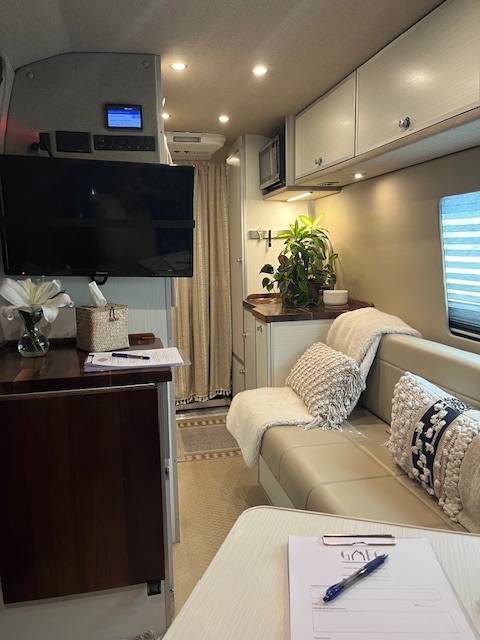
What you get for that investment is a purpose-built adventure vehicle with electrical systems, plumbing, insulation, cabinetry, heating/cooling, and sleeping accommodations. All engineered to last and backed by a company that’s been building vans since 1961.
Why Do People Convert Sprinter Vans?
The Sprinter dominates the van conversion market for several practical reasons:
Standing height. The high-roof Sprinter lets most adults stand fully upright inside. This single feature is the reason many people choose it over competitors. Living in a van where you can’t stand up gets old fast.
Diesel fuel economy. Getting 18–22 MPG in a vehicle this size is remarkable. A Ford Transit with the gas V6 gets roughly 14–16 MPG. Over 100,000 miles that difference adds up to thousands of dollars.
Build quality and longevity. Mercedes diesel engines are known for going 300,000+ miles with proper maintenance. The Sprinter’s body panels are galvanized and carry a rust-through warranty. This durability matters when your van is also your home.
Resale value. Sprinter vans, especially converted ones, hold their value better than almost any vehicle in the segment. A well-built Sportsmobile Sprinter conversion can retain 60–80% of its value over five years.
Configuration options. With three wheelbases, two roof heights, multiple weight classes, and available AWD, you can spec a Sprinter for almost any use case. From a weekend adventure rig to a full-time mobile home.
Sprinter vs. Other Van Platforms
The Sprinter isn’t the only option for van conversions. Here’s a quick comparison with the other major platforms:
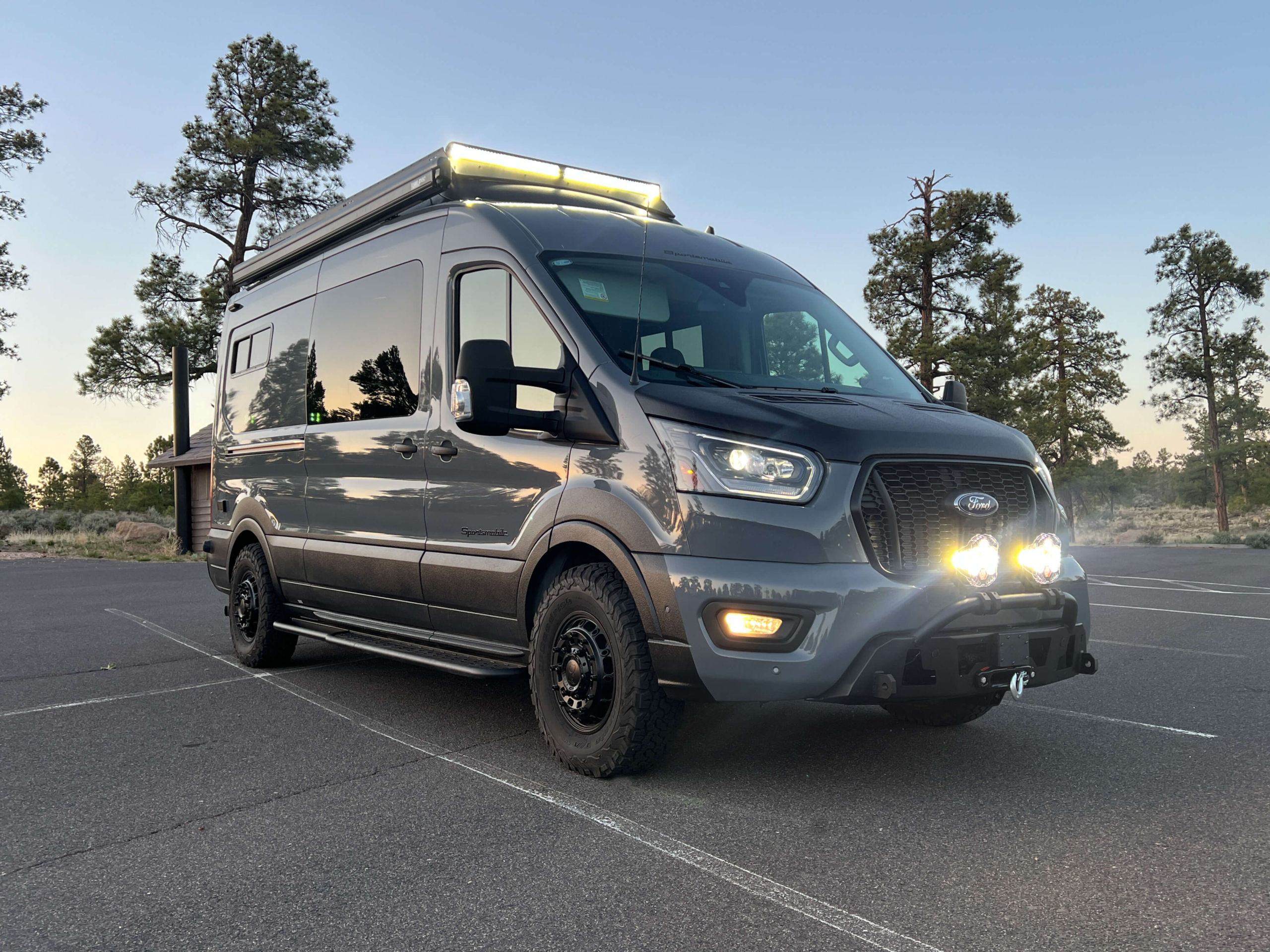
Ford Transit – the closest competitor. Similar size options and slightly lower base price. Gas engine only (no diesel in the U.S. Transit). The interior is slightly wider but the Transit doesn’t ride as well at highway speeds. Sportsmobile also builds on the Transit platform.
Ram ProMaster – front-wheel drive, which means a flat floor (no drivetrain hump). Widest interior of any van in the segment. But it doesn’t offer AWD and the ride quality on highways isn’t as refined. Sportsmobile converts ProMasters as well.
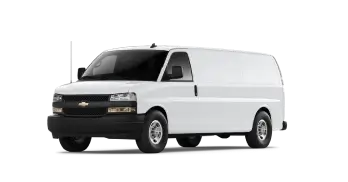
Chevy Express / GMC Savana – the old-school body-on-frame platform. Extremely reliable and cheaper to buy, but lower roof, worse fuel economy, and fewer modern safety features. Still a solid choice for certain builds, and Sportsmobile has been converting these since the 1960s.
Ford E-Transit – the electric Transit. Limited range and no AWD make it impractical for most van life applications today, but it’s worth watching as battery technology improves.
What to Look for When Buying a Sprinter
If you’re shopping for a Sprinter, whether new or used, keep these things in mind:
Get the high roof. Unless you have a very specific reason not to, the high roof is essential for any conversion that involves living in the van.
Consider AWD seriously. Even if you don’t plan to go off-road, AWD handles rain, snow, and gravel roads dramatically better than RWD. It also improves resale value.
Check the service records on used vans. The Sprinter’s diesel engine requires specific maintenance (injector cleaning, DPF filter servicing, DEF fluid). Deferred maintenance can lead to expensive repairs.
Plan your conversion before buying the van. The wheelbase and weight class you need depend entirely on your floor plan. A 144″ is perfect for a couple; a family with kids might need the 170″. Talk to your conversion company first. Sportsmobile’s team can help you spec the right chassis for your build.
Budget for the full picture. The van is only part of the cost. Conversion, insurance, maintenance, and the inevitable gear upgrades add up. A realistic all-in budget for a professional Sprinter conversion is $130,000–$200,000.
Frequently Asked Questions
Is a Sprinter van good for van life?
Yes, the Sprinter is the most popular platform for van life and full-time van living. The high roof, diesel fuel economy, and build quality make it the top choice for people who live in their vans year-round.
How many miles can a Sprinter van last?
With proper maintenance, the Mercedes diesel engine commonly exceeds 300,000 miles. The body and chassis are galvanized for corrosion resistance. Many Sportsmobile customers put 200,000+ miles on their conversions.
Is a Sprinter van considered a commercial vehicle?
Technically yes. The Sprinter is classified as a commercial vehicle, which affects registration and insurance in some states. However, once converted to a camper van (RV), many states allow it to be registered as a motor home, which can reduce insurance costs.
Can you sleep in a Sprinter van?
Absolutely. A 144″ wheelbase high-roof Sprinter can comfortably accommodate a fixed bed for two adults, along with a small kitchen, storage, and seating area. Larger wheelbases allow for dedicated bedrooms, bathrooms, and more elaborate floor plans. Sportsmobile’s Penthouse Top option adds a pop-up roof with a second sleeping area above.
What’s the difference between a Sprinter 2500 and 3500?
The main difference is payload capacity. The 3500 can carry more weight, which matters for heavy conversions with features like lithium battery banks, full bathrooms, or roof-mounted accessories. The 2500 is sufficient for most standard van conversions. 3500 dual rear wheels have some advantages like superior handling for heavy builds and improved safety in blowouts. However some disadvantages would be stiffer ride, reduced fuel efficiency, and increased tired maintenance and certain offroad conditions
Ready to Build Your Sprinter?
Sportsmobile has been building custom van conversions since 1961, longer than anyone else in the industry. We convert Mercedes Sprinters, Ford Transits, Ram ProMasters, and Chevy Express vans at our three locations in Austin TX, Huntington IN, and Mesa AZ.
Whether you’re starting from scratch or bringing your own van, our team will help you design and build the adventure vehicle you’ve been dreaming about.
Explore Sprinter Conversions → See Vans For Sale → Start Your Adventure →